Source Hanging Mount Led Rgb Ball for Stage, Film, and Dance
Find 30 hanging mount led rgb ball options for stage, film, and dance applications. Compare IP68 and IP65 ratings, DMX control, and various sizes from 20mm to 50mm. Source reliable lighting components from verified manufacturers in China; compare the available evidence and request quotations based on your requirements.
Key considerations
Products List





Comprehensive Sourcing Guide
Hanging Mount Led Rgb Ball Sourcing Guide
Procuring hanging mount LED RGB balls requires a clear understanding of the diverse product landscape available in the current market. Buyers often encounter a wide variety of options, ranging from small decorative units to larger stage effects, each with distinct technical profiles. The observed product count indicates a robust supply base, yet the sheer volume of variations necessitates careful filtering. Sourcing decisions should be driven by specific project requirements, such as the intended environment, whether it is an indoor stage or an outdoor installation, and the desired visual impact.
The price range observed in listings is significant, spanning from low-cost items to high-end professional fixtures. This variance reflects differences in build quality, LED components, and control capabilities. Buyers must align their budget with the expected performance and durability. A lower price point may suffice for temporary events, while permanent installations demand higher-grade materials and certifications. Understanding these market signals helps in setting realistic expectations and avoiding pitfalls associated with under-specifying equipment for demanding applications.
Product Scope and Observed Listing Signals
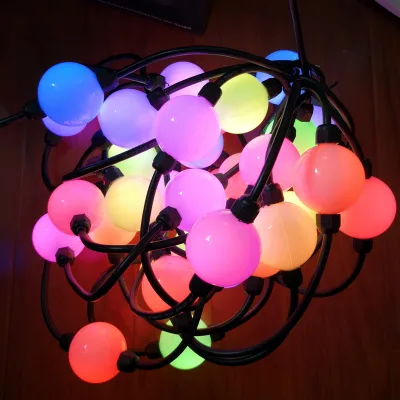
The product scope for hanging mount LED RGB balls is broad, covering applications in stage, film, television, and dance effect lighting. Listings frequently highlight customization options, allowing buyers to tailor units to specific aesthetic or functional needs. Common attributes include RGB 3-in-1 color mixing, which provides a wide spectrum of hues for dynamic visual effects. The item type is consistently identified as LED balls, with sizes varying from small 20mm diameter units to larger 12cm or even 50mm diameter spheres. This variety allows for flexible design integration in both large-scale productions and intimate settings.
Weight and packaging are critical logistical factors to consider during the sourcing process. Units can weigh between 3.5kg and 4kg, depending on the size and housing material. Packaging options typically include carton or flight cases, which are essential for protecting the fragile glass or PC housing during transit. Some listings specify compact dimensions like 12x12x12cm, while others offer larger standard diameters. Buyers should verify the exact dimensions and weight to ensure compatibility with their rigging infrastructure and shipping constraints, ensuring that the selected units can be safely transported and installed.
Technical Specifications to Verify
Technical verification begins with the IP rating, which determines the unit's suitability for different environments. Listings show ratings such as IP68 and IP65, indicating high levels of dust and water resistance, crucial for outdoor or wet environments. Other units may be rated for exposing light or dimming applications, which affects their control protocol compatibility. Buyers must confirm the specific IP rating for their intended use case to prevent premature failure due to environmental exposure. The working condition range of -20°C to +50°C is a common specification, ensuring reliability in diverse climates.
Electrical specifications are equally important for system integration. Voltage options include DC12V, DC15V, and DC24V, with power consumption ranging from 0.72W to 0.9W per unit. The LED type is often specified as RGB SMD5050, using Epistar chips for consistent color rendering. Pixel count is typically one per ball, simplifying control logic but requiring careful planning for large arrays. Buyers should verify the voltage compatibility with their existing power supplies and control systems to avoid mismatched connections. Additionally, the rated life of 50,000 hours suggests long-term durability, but this should be confirmed against specific usage patterns.
Compliance and Safety Documentation
Compliance documentation is a non-negotiable aspect of sourcing professional lighting equipment. Certifications such as CE, RoHS, CCC, and GS are frequently listed, indicating adherence to regional safety and environmental standards. Buyers must ensure that the certificates provided are valid and applicable to the destination market. For instance, CE marking is essential for European sales, while CCC is required for the Chinese market. The presence of SGS standards in some listings further reinforces quality assurance, but buyers should request copies of the actual certificates for verification.
Safety standards like UL 8750, UL 1993, and UL 8753 are relevant for North American markets, though their specific application to these LED balls should be confirmed. EN12966 may also be referenced for specific regional requirements. Buyers should not rely solely on the presence of these labels but should verify the scope of certification. Incomplete or expired certifications can lead to customs delays or legal liabilities. Ensuring that the supplier provides up-to-date and comprehensive documentation is a critical step in mitigating risk and ensuring smooth importation and deployment of the lighting units.
Cost Drivers and Commercial Terms
Cost drivers for hanging mount LED RGB balls include the quality of the LED components, the durability of the housing material, and the complexity of the control system. Units with Epistar LEDs and PC milky housing tend to offer better color consistency and longevity, justifying a higher price point. Customization options, such as specific diameters or color temperatures, can also increase costs. Buyers should analyze the total cost of ownership, considering energy efficiency and maintenance requirements, rather than focusing solely on the initial purchase price. The observed price range reflects these varying levels of quality and feature sets.
Commercial terms such as MOQ and lead times are key negotiation points. The observed MOQ range of 1-100 units offers flexibility for both small and large orders. Buyers should clarify whether the MOQ applies per model or per color variant. Lead times can vary based on customization requirements and production capacity. It is advisable to establish clear communication regarding production schedules and shipping methods. Understanding the payment terms and warranty policies is also essential to protect against defects and ensure long-term support. Transparent commercial terms help in building a reliable supply chain relationship.
Supplier Qualification and Quality Control
Supplier qualification involves assessing the manufacturer's reputation, production capabilities, and quality control processes. Buyers should prioritize suppliers with a proven track record in the entertainment lighting industry. Factories located in Guangzhou and Shenzhen are known for their expertise in LED manufacturing, but this should be verified through site audits or third-party inspections. Quality control measures, such as incoming material checks and final product testing, are critical to ensuring consistency. Buyers should inquire about the supplier's defect rate and return policy to gauge their commitment to quality.
Documentation of quality control processes, including test reports and inspection records, should be requested before placing large orders. Suppliers who provide detailed information about their manufacturing standards are more likely to deliver reliable products. Buyers should also consider the supplier's ability to handle custom orders and provide technical support. A responsive and knowledgeable supplier can help troubleshoot issues and ensure successful project implementation. Building a relationship with a qualified supplier reduces the risk of supply chain disruptions and ensures a steady flow of high-quality lighting units.
Long-Term Procurement Checks
Long-term procurement success depends on continuous monitoring of product performance and supplier reliability. Buyers should establish a feedback loop with end-users to gather data on unit durability and color consistency over time. Regular reviews of supplier performance, including on-time delivery and after-sales support, are essential for maintaining a healthy supply chain. Buyers should also stay updated on industry trends and technological advancements to ensure their procurement strategy remains competitive. Adapting to changes in LED technology and control protocols can provide a significant advantage in future projects.
Risk management strategies should include diversifying the supplier base to mitigate the impact of potential disruptions. Maintaining a buffer stock of critical components can help in addressing unexpected demand spikes. Buyers should also consider the environmental impact of their procurement choices, opting for suppliers who adhere to sustainable practices. Regular audits of compliance documentation and quality control processes ensure that the supplier continues to meet required standards. By focusing on long-term relationships and continuous improvement, buyers can secure a reliable supply of high-quality hanging mount LED RGB balls for their projects.
FAQs
What certifications do hanging mount led rgb ball products have?
These products typically carry CE, RoHS, CCC, and GS certifications. Specific models may also include SGS approval. Buyers should verify the exact certification list for each supplier to ensure compliance with local safety standards before placing orders.
Which IP ratings are available for outdoor hanging mount led rgb ball units?
Available IP ratings include IP65 and IP68 for weather resistance. Some units feature an IP rating for exposing light or dimming capabilities. Select the appropriate rating based on whether the installation is indoors or exposed to harsh outdoor conditions.
Can I customize the size of hanging mount led rgb ball lights?
Customization is available for various sizes including 12cm, 20cm, 25cm, and up to 100cm diameters. Standard options range from 20mm to 100mm. Contact suppliers directly to confirm specific size availability and any associated customization fees for your project requirements.
What is the typical working condition temperature range for these lights?
The standard working temperature range is from -20 degrees Celsius to +50 degrees Celsius. This ensures reliable performance in diverse climates. Always check the specific product datasheet to confirm the thermal limits for your intended installation environment.
How is the hanging mount led rgb ball packaged for shipping?
Products are commonly packed in cartons or flight cases for protection. Some smaller units may use box packing. The packaging choice depends on the product size and shipping requirements. Verify the packing details with the supplier to ensure safe transit.
Which LED types are used in hanging mount led rgb ball fixtures?
Common LED types include Epistar RGB SMD5050 chips. These provide vibrant RGB 3in1 color mixing. The rated life is typically around 50,000 hours. Check the specific model number to confirm the exact LED brand and pixel configuration for your needs.
What voltage options are available for hanging mount led rgb ball systems?
Available voltage options include DC12V, DC15V, and DC24V. Power consumption varies by model, ranging from 0.72W to 0.9W. Ensure your power supply matches the specific voltage requirement of the selected product to prevent damage or malfunction.